If you’re searching for orthokeratology in Seattle, chances are your child’s prescription keeps changing every year and you’re looking for an option beyond “just get stronger glasses.”
You’re not alone.
Myopia (nearsightedness) rates among kids are climbing across the Seattle area, and more parents than ever are asking their eye doctor about orthokeratology (ortho-k) as a way to correct vision and slow the progression itself.
This guide walks through what orthokeratology is, how it works, what the research says about safety and effectiveness, and what to look for when choosing a provider in the Seattle, Kirkland, Bellevue, and Eastside area.
At MyOrthoK Center, Dr. Gill has spent years focused exclusively on orthokeratology and myopia management, and this post draws on that experience alongside the latest published research.
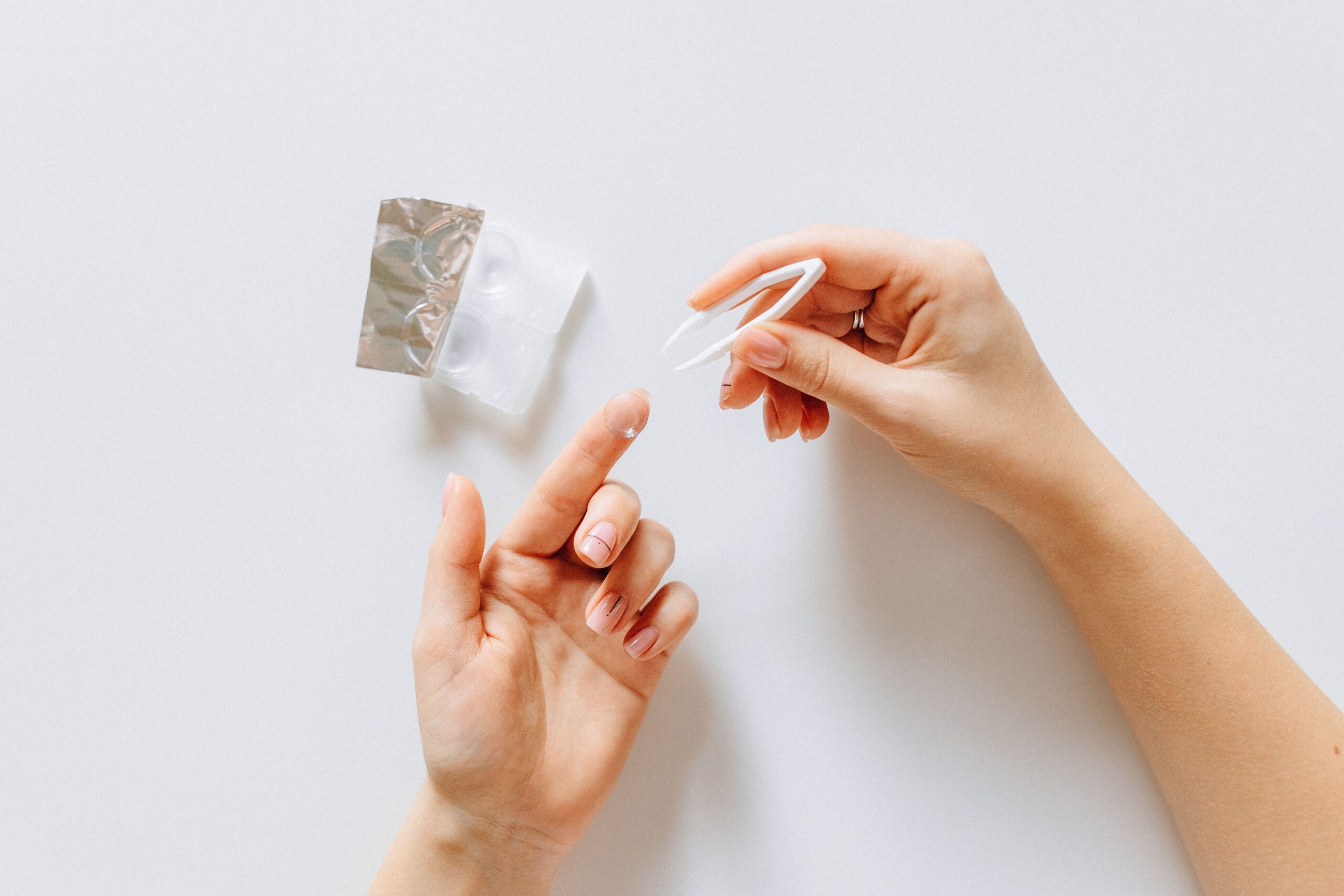
What Is Orthokeratology?
Orthokeratology, often shortened to “ortho-k”, is a non-surgical treatment that uses specially designed, rigid gas-permeable contact lenses to gently reshape the cornea overnight.
Your child puts the lenses in before bed, and by morning, the cornea has been temporarily reshaped enough to provide clear vision throughout the day without glasses or daytime contacts.
It’s the same underlying technology referred to as corneal refractive therapy (CRT), and the lenses themselves are sometimes called CRT contact lenses.
The effect is completely reversible, if your child stops wearing the lenses, the cornea gradually returns to its original shape over a few days to weeks.
For a deeper look at exactly what happens at the corneal level, see our full breakdown of how ortho-k works.

Why Seattle-Area Parents Are Asking About Ortho-K
A few things are driving the growing interest in ortho-k among families across Seattle, Kirkland, Bellevue, Bothell, Sammamish, and Woodinville:
Myopia is becoming more common in kids.
Researchers describe childhood myopia as approaching a global public health concern, with prevalence climbing well beyond what it was a generation ago.
More screen time, less time outdoors, and genetics all play a role and once a child’s myopia starts progressing, it tends to keep progressing through their school years without some form of intervention.
It’s not just about seeing clearly today.
A prescription that keeps climbing year after year isn’t simply a glasses problem.
Higher levels of myopia are linked to increased lifetime risk of more serious eye conditions later in life, including retinal detachment and myopic macular degeneration.
This is part of why so many eye doctors now talk about “myopia management” rather than just “vision correction” and why parents are looking into myopia management for children earlier than they used to.
Ortho-k offers a daytime lifestyle without glasses or contacts.
For active kids, especially those in sports, swimming, or other activities, waking up with clear vision and no daytime lenses to manage is a major draw.
It’s one of the most commonly cited reasons families choose ortho-k over myopia control glasses or daytime soft lenses.
What Does the Research Say About Effectiveness?
Ortho-k isn’t a new or experimental idea, it’s been studied extensively over the past two decades, with a growing body of research specifically focused on its ability to slow myopia progression in children.
Multiple systematic reviews and meta analyses have found that orthokeratology meaningfully reduces axial elongation, the physical lengthening of the eye that drives myopia progression, compared to standard glasses.
One meta analysis found that axial elongation in myopic children is reduced by approximately 0.15 mm in the first year with orthokeratology, with the effect persisting for up to three years.
A separate meta-analysis of randomized controlled trials found a similar pattern over a two-year period.
For families managing more stubborn cases, ortho-k can also be combined with other treatments.
One recent study found that sequentially adding atropine eye drops at increasing concentrations to ortho-k treatment reduced annual axial elongation by 28% to 39%, depending on the concentration used.
This combination approach is becoming increasingly common for children whose myopia continues progressing quickly even with ortho-k alone.
It’s worth noting that researchers are still refining their understanding of long-term outcomes.
Some reviewers have pointed out that the long-term effects of ortho-k on visual function and ocular health remain an area of ongoing investigation, and have emphasized that proper fitting, monitoring, and follow-up are essential to ensuring both safety and effectiveness.
That’s a key reason why who fits your child’s lenses and how closely they’re monitored afterward, matters as much as the lenses themselves.
Is Ortho-K Safe for Kids?
Safety is usually the first question parents ask, and it’s a fair one, these lenses are worn overnight, which is different from typical daytime contacts.
The research is reassuring.
Ortho-k is generally considered safe, with studies reporting an annual adverse event rate of around 10% to 20% in children, though fewer than 10% of these events are directly related to the lenses themselves, and most are minor issues like corneal staining that resolve without any lasting effect on vision.
Sight-threatening complications such as microbial keratitis are rare. Current research puts the risk of corneal eye infection at around 1 to 2 cases per 2,000 patient-wearing-years.
For context, discontinuation rates for ortho-k (around 20%, mainly due to fitting issues) are actually slightly lower than discontinuation rates for spectacle-based myopia control (around 25%).
The rate of clinically significant eye-health findings was comparable between ortho-k wearers and children wearing standard glasses.
The takeaway: ortho-k has a well-documented safety profile when lenses are properly fitted, cared for, and monitored, which is exactly why the practice you choose matters.
For day to day care guidance, see our ortho-k lens care guide.
Ortho-K vs. Other Options Seattle Families Consider
Most parents researching ortho-k are also weighing it against a few other paths:
Ortho-k vs. LASIK. LASIK is permanent surgery and isn’t an option for children, but adults considering vision correction sometimes compare the two. If that’s you, our guide on orthokeratology vs. LASIK breaks down the differences, and our alternatives to LASIK post covers other non-surgical options.
Ortho-k vs. myopia control glasses. Specialty spectacle lenses are another evidence-based myopia management option, and for some families they’re a better fit, particularly younger children or those not ready for contact lenses of any kind. We compare the two directly in our myopia control glasses post.
Ortho-k for astigmatism. A common question is whether ortho-k still works if a child has astigmatism along with nearsightedness. In many cases, yes, modern lens designs can address both. See orthokeratology for astigmatism for details.
Ortho-k for adults. While ortho-k is most often discussed in the context of children’s myopia management, it’s also a popular option for adults who want glasses-free days without surgery. Our orthokeratology for adults post covers how the experience differs.
What to Expect: Timeline, Cost, and Getting Started
Two of the most common questions we hear from Seattle-area parents are about timing and cost, both reasonable things to plan around before committing.
How long does it take to work?
Many children notice improved vision within the first few days, with full effect typically stabilizing within one to two weeks of consistent nightly wear.
Our how long does ortho-k take to work post walks through what that adjustment period actually looks like night by night.
What does it cost?
Ortho-k is a custom-fitted medical device, and pricing reflects the fitting process, the lenses themselves, and the ongoing monitoring visits that are essential for both safety and effectiveness.
For a full breakdown of what’s typically included, see our cost of ortho-k lenses guide.
Getting started.
The process begins with a comprehensive eye exam to evaluate your child’s prescription, corneal shape, and overall eye health, similar to what’s covered in our first eye exam guide, with additional measurements specific to ortho-k fitting.
From there, lenses are custom designed for your child’s eyes specifically.
Why a Specialist Practice Makes a Difference
Orthokeratology is a highly customized treatment, there’s no “one size fits all” lens.
The quality of the initial fitting, the precision of the lens design, and the consistency of follow-up monitoring all directly affect both how well the treatment works and how safe it is over time.
As researchers have noted, proper fitting and ongoing follow-up are central to getting good outcomes from ortho-k, not an optional extra.
That’s the foundation MyOrthoK Center was built on.
Rather than offering ortho-k as one option among many, Dr. Gill’s practice is built entirely around orthokeratology and myopia management for families throughout Seattle, Kirkland, Bellevue, Bothell, Sammamish, and Woodinville.
That focus means more experience reading corneal topography, refining lens designs when the first fit isn’t perfect, and tracking your child’s progress over months and years, not just at a single appointment.
Common Questions Seattle Parents Ask
At what age can my child start ortho-k?
Ortho-k can typically begin around age 6 to 8, depending on the child’s prescription, maturity, and ability to handle lens insertion and removal with parental help. A consultation is the best way to determine readiness.
Will my child need to wear the lenses every night, forever?
For myopia control, consistent nightly wear is important to maintain both the vision correction and the slowing effect on progression. Many families continue wear through the teenage years, when myopia progression naturally tends to stabilize.
Can ortho-k be combined with other myopia treatments?
Yes. As noted above, some children benefit from combining ortho-k with low-dose atropine drops, particularly if progression continues at a faster-than-expected rate despite ortho-k alone.
Is ortho-k covered by insurance?
Coverage varies widely by plan. Some vision insurance plans offer partial reimbursement, particularly when myopia control is documented as medically necessary. Our team can help you understand what your specific plan may cover.
Ready to Explore Ortho-K in Seattle?
If you’re considering orthokeratology for your child, or for yourself, the best next step is a comprehensive evaluation to determine candidacy and discuss what realistic outcomes might look like for your specific prescription.
Learn more about our approach on our ortho-k Seattle and myopia management Seattle pages, or contact us to schedule a consultation.
MyOrthoK Center proudly serves families throughout Seattle, Kirkland, Bellevue, Bothell, Sammamish, Woodinville, and the surrounding Eastside communities.